
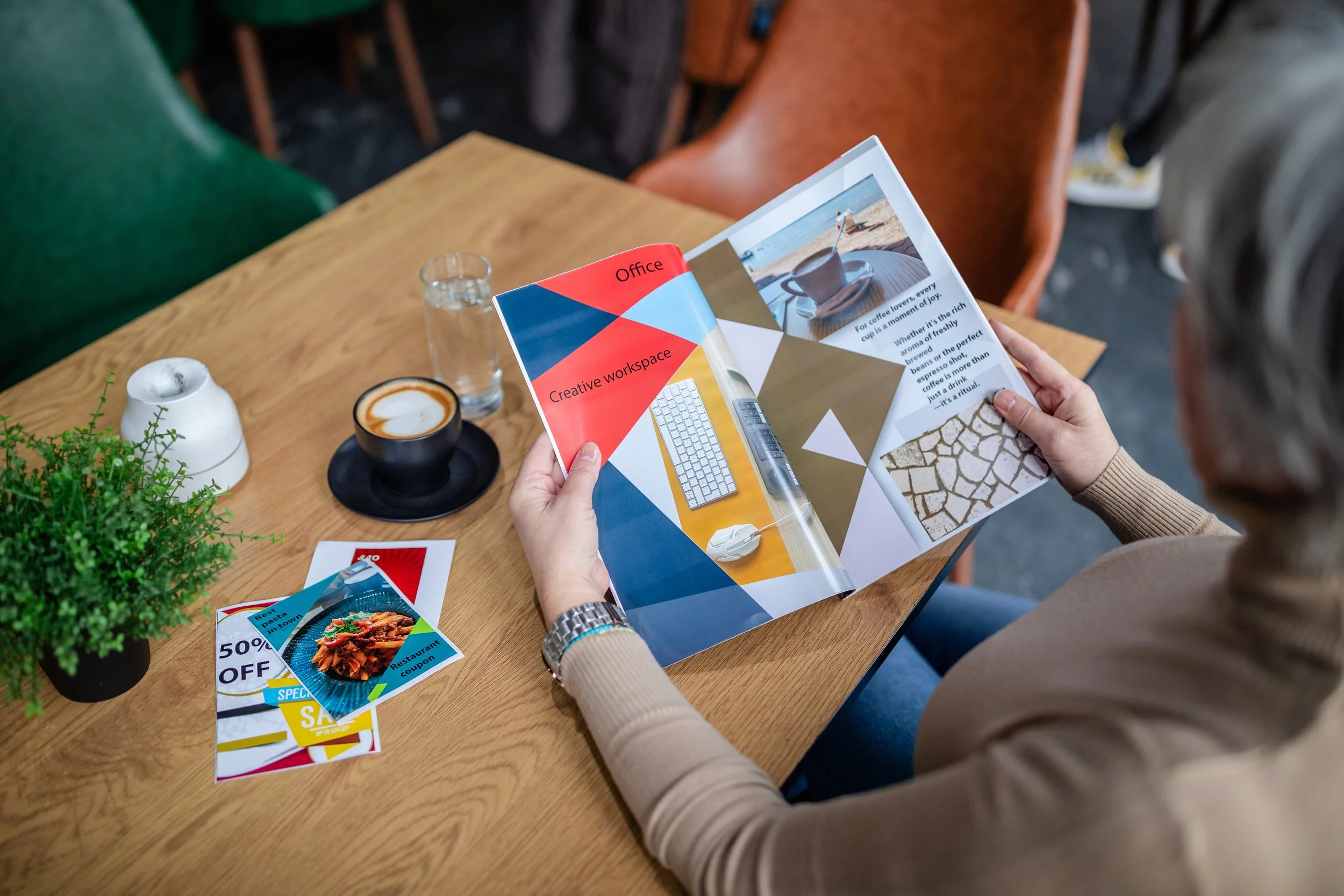
Booklet Printing: Finishes, Binding, and Print Strategy
Design done. Paper chosen. Files ready. Now it’s time to elevate your booklet with the right finishes, embellishments, and binding—you’ve got options!
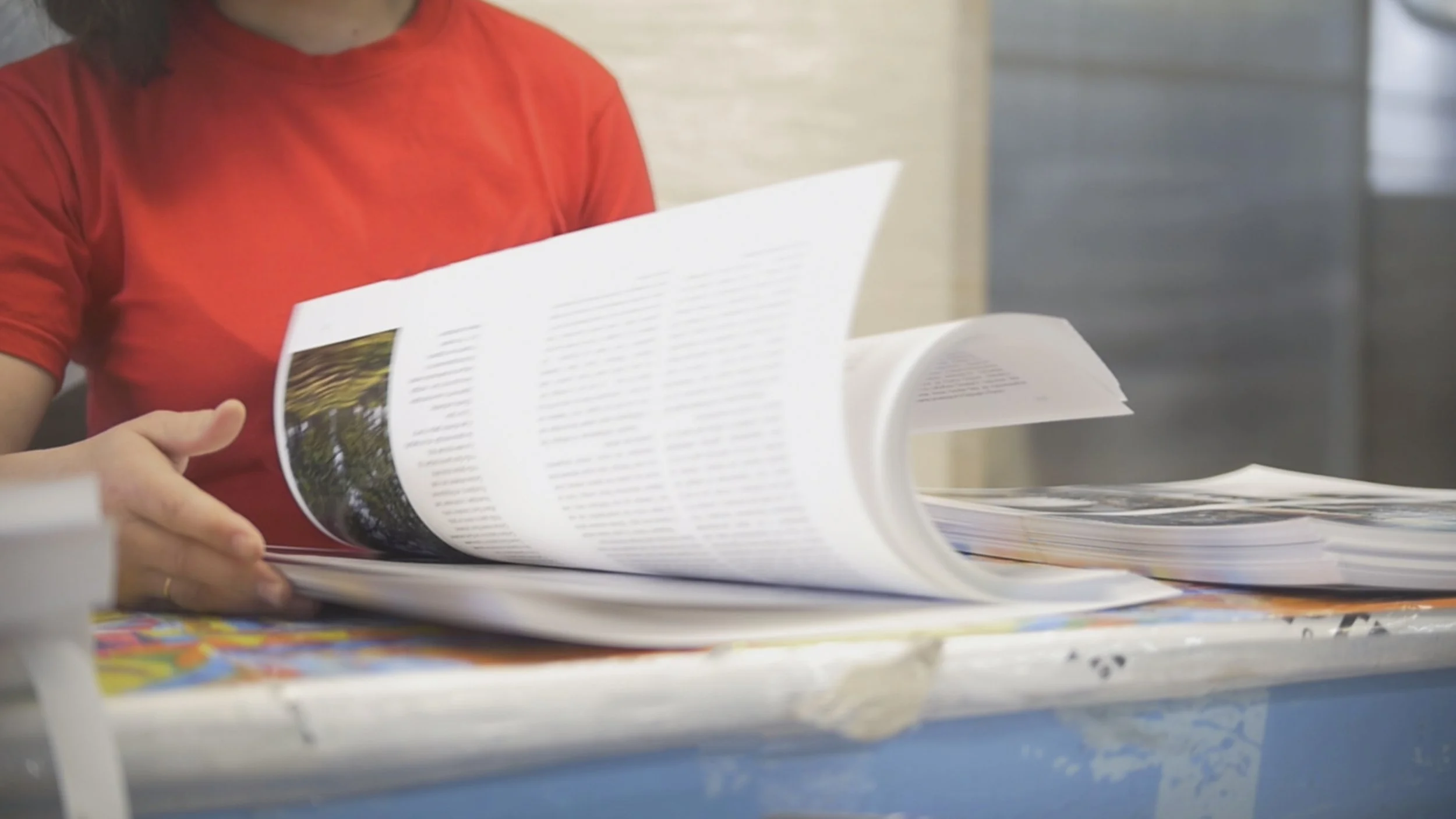
Booklet Printing: What to Consider as You Begin to Design
Programs, playbills, catalogs, manuals, newsletters, instructional materials…are produced as booklets. Booklets remain one of the most effective print formats. But creating print-ready files requires understanding of a few technical fundamentals that can make or break your final product. Here's what you need to know.

Folding with Finesse: Exploring Various Finish Folding Methods
When it comes to creating printed materials that leave a lasting impression, the finishing touches matter. Among these, finish folding methods play a crucial role.
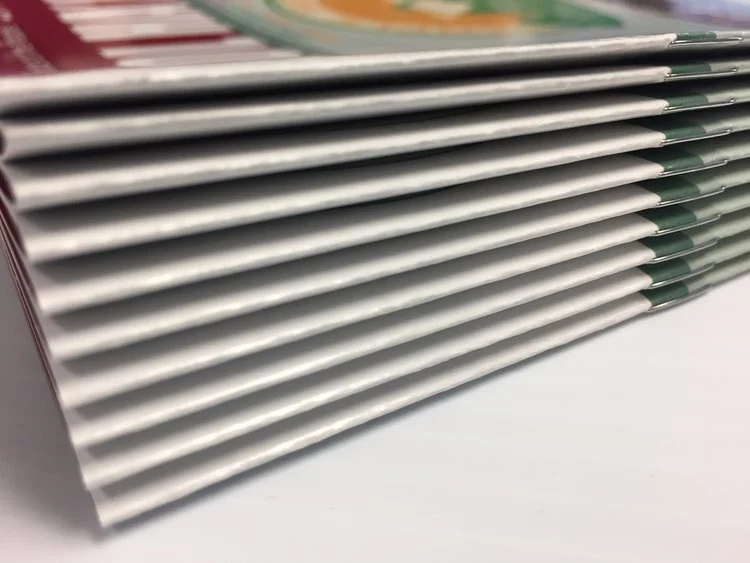
Binding Method: Saddle Stitch
One of the most standard types of binding is Saddle Stitching. This method is typically used for multi page booklets from 4 to 64 pages. Signatures are folded in half, gathered then stapled in two locations along the spine of the book.

Folding Method: Accordion Fold
An Accordion Fold is best used for text and information-heavy designs. It can have 3 or more folds. Pictured below is a four panel accordion fold. A 3 fold accordion fold is also referred to as a Z-fold.
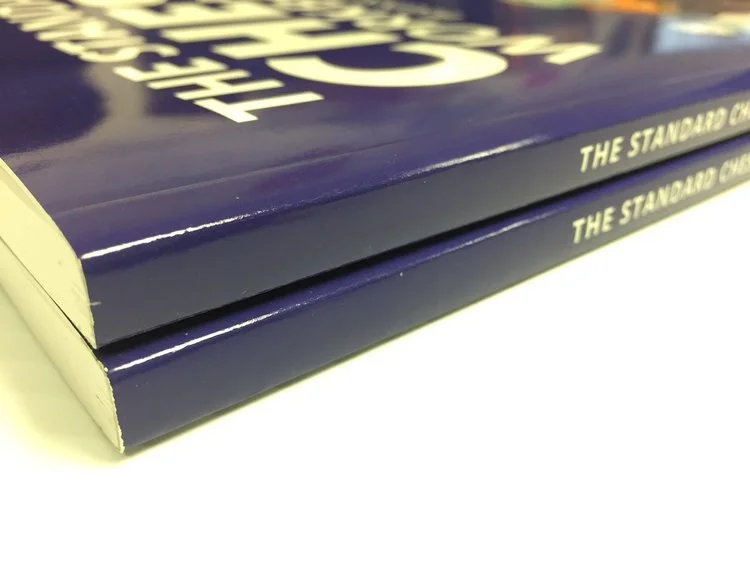
Binding Method: Perfect Bind
Perfect Binding is commonly used for soft cover books. For this binding method the cover and inside pages are glued together with a strong, flexible glue. The cover wraps around the inside pages so it allows for printing on the spine.